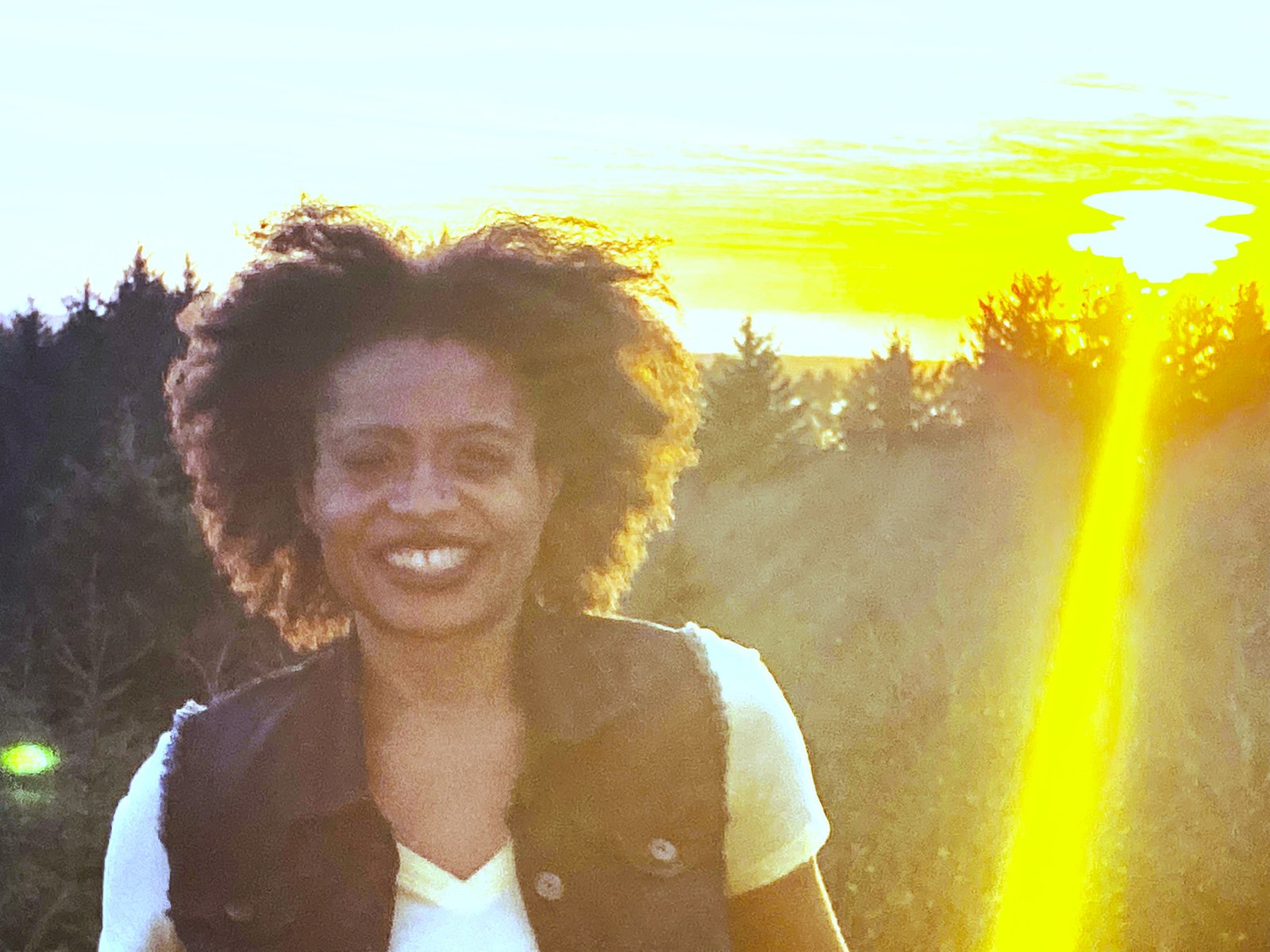
Spiritual Awakening: How to overlook an Insult.
Posted on April 15, 2025 Leave a Comment
Hi there!
Insults come in many forms and often daily. But you are not the insult. You are greater than any experience. Proverbs 12:16 reminds us that we don’t have to react to insults. “The prudent ignores an insult.”
As always, make this lifetime great because you still can!
Timika
#resiliency #compassion #personaldevelopment #character
Like & Share

The Seeds We Plant Series #24: Creating Healthy Boundaries
Posted on April 9, 2025 Leave a Comment

Hi there,
Boundaries are often discussed after experiencing projected pain, but through consistency and intention, our children can learn about and institute boundaries early on. They can understand their purpose, their body’s purpose, and the role of experiences.
Listen to The Seeds We Plant Series #24: Creating Healthy Boundaries as I share my thoughts on boundaries and how to create them.
The Seeds We Plant Series #24: Creating Healthy Boundaries by Create A Generational Love Cycle With”¦
Keywordsgenerational pain, emotional healing, boundaries, parenting, self-identity, mental health, spiritual growth”¦creators.spotify.com
As always, make this lifetime great because you still can!
Keywords
#generationalpain, #emotionalhealing, #boundaries, #parenting, #selfidentity, #mentalhealth, #spiritual growth, #personal development, #lovecycle, #self-awareness
Timika
Like & Share

Healing from the Inside Out Series #25: You Deserve Better.
Posted on April 4, 2025 Leave a Comment
Hi there!
In this episode, I use an experience my children had to remind you of critical concepts essential to healing from the inside out. Often, we may cling to anxiety, fear, confusion, self-doubt, guilt, resentment, shame, and vengeance. They become the lenses through which we see the world. However, we were not meant to stay stuck or to consistently befriend life-draining emotions and feelings.
“For I know the plans I have for you, declare sthe Lord, plans to prosper you, and not to harm you, plans to give you hope and a future” (Jeremiah 29:11). Jesus came so that we may have an abundant life (John 10:10) in all realms, not so that we could carry our wounds with us. But to realize that we are bigger than any experience and what our true purpose is -to reflect the truth.
Whatever you focus on, you continue to live, to attract, to be angry, anxious, bitter, confused, to feel betrayed, lonely, purposeless, guilt, resentful, shameful, and vengeful.
But you, you deserve better. Children deserve better. Adults deserve better. Healing is a necessary and regenerative process for both oneself and the world.
For more empowering resources and tips, you can sign up for my newsletter, Empowering You to Be You.
For signing up, you receive seven truths that helped me to heal from the inside out.
â https://mailchi.mp/fe2da5c9163a/seven-spiritual-truthsâ
Here are the show highlights to help you.
Keywords
healing, personal experience, education, advocacy, emotional well-being, self-worth, parenting, resilience, overcoming challenges, personal growth
Summary
In this conversation, Timika S Chambers shares her insights on healing, personal experiences, and the importance of advocacy in education. She discusses her children’s challenges in public school, the importance of emotional well-being, and the journey toward finding a supportive educational environment. Timika emphasizes the significance of understanding emotions, self-worth and the necessity of addressing issues promptly to foster healing and growth.
Takeaways
- Everyone heals from an experience in their way. Hopefully, it’s one built on freedom of body, mind, and spirit and for the enjoyment of the gift of life.
- We were not meant to live in the past; life continues to move.
- It’s essential to advocate for your children in challenging situations.
- Finding the right educational environment can have a profound impact on a child’s well-being.
- Emotional well-being is crucial for personal growth and healing.
- Time wasters, such as anger and resentment, drain your energy.
- You deserve better; self-worth is vital for healing.
- Facing your emotions is important, but you don’t have to live with them.
- We are here to serve one another with our gifts, not our pain.
- Love is always present, and healing comes from within.
Sound Bites
- “You deserve better.”
- “Time wasters drain your energy.”
- “Love is always there.”
As always, make this lifetime great because you still can!
With Peace, Love, & Prosperity,
Timika
